Common gallbladder conditions explained
Gallstones
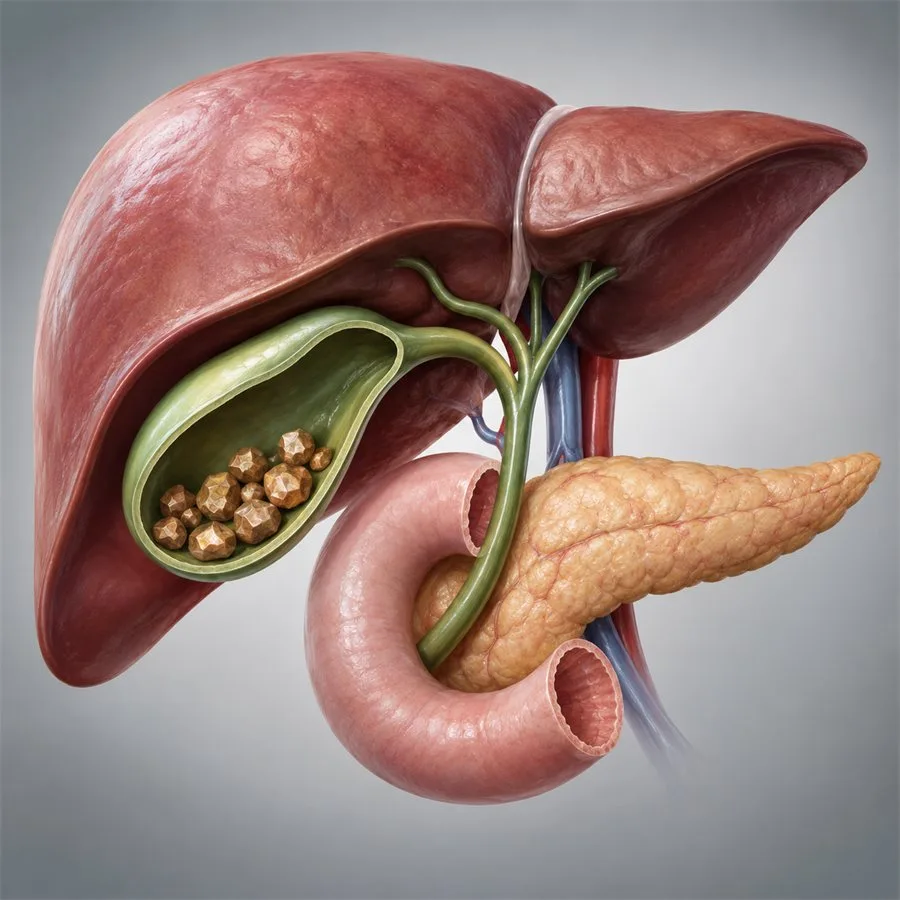
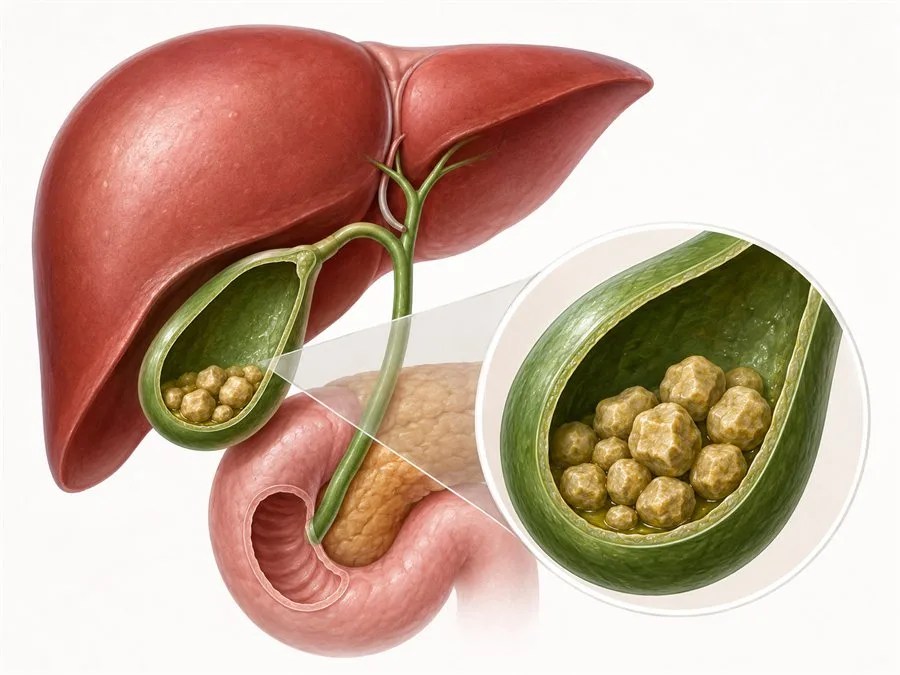
Gallstones are hardened deposits that form inside the gallbladder. Many are made mainly of cholesterol, though other types exist. Some gallstones cause no symptoms and are found incidentally. Others can block the gallbladder outlet and trigger pain, inflammation or complications.
When to consult: Consult a surgeon if gallstones are linked with repeated pain after meals, nausea, emergency visits, abnormal blood tests, gallbladder inflammation or uncertainty about whether surgery is needed.
Read the full guide to gallbladder stones →
Biliary Colic / Gallbladder Pain
Biliary colic is pain caused when a gallstone temporarily blocks the gallbladder outlet. Patients often describe pain in the right upper abdomen or upper middle abdomen, sometimes after a heavy or fatty meal. The pain may settle, but repeated attacks often need medical review.
Important: Not every upper abdominal pain is gallbladder pain. Assessment usually includes history, examination, ultrasound review and blood tests when needed.
Read the full guide to biliary colic →
Acute Cholecystitis
Acute cholecystitis means inflammation of the gallbladder, commonly after a stone blocks the cystic duct. Pain may become more persistent and may be associated with fever, tenderness, nausea or raised inflammatory markers.
Important: Suspected cholecystitis should not be managed as a routine diet problem. It may need urgent hospital treatment, antibiotics, imaging and surgical assessment.
Read the full guide to cholecystitis →
Gallbladder Sludge
Gallbladder sludge is thickened bile or tiny particles seen on ultrasound. It can be temporary, incidental or associated with symptoms in some patients. The clinical importance depends on symptoms, blood tests, ultrasound findings and whether complications are suspected.
Important: Sludge alone does not always mean surgery. Repeated symptoms or complications change the discussion.
Read the full guide to gallbladder sludge →
Gallbladder Polyps
Gallbladder polyps are growths on the inner lining of the gallbladder. Many small polyps are monitored. Larger polyps, growth over time, symptoms or certain risk features may lead to a discussion about surgery.
Important: The decision depends on polyp size, imaging appearance, symptoms and individual risk factors. Bring previous ultrasound reports if you have them.
Read the full guide to gallbladder polyps →
Common Bile Duct Stones
A gallstone can sometimes move from the gallbladder into the common bile duct. This can block bile drainage and may cause jaundice, dark urine, pale stools, fever, abnormal liver tests or pancreatitis.
Important: Common bile duct stones may need additional tests and sometimes endoscopic treatment before or around the time of gallbladder surgery. This decision is made after specialist assessment.
Gallstone Pancreatitis
Gallstone pancreatitis happens when a stone blocks the drainage pathway shared by bile and pancreatic juices, triggering inflammation of the pancreas. This is usually a hospital-level condition and should not be treated as simple indigestion.
Important: Severe upper abdominal pain, vomiting, fever or feeling very unwell needs urgent medical care.
Porcelain Gallbladder
Porcelain gallbladder refers to calcification of the gallbladder wall. It is uncommon and is usually detected on imaging. The significance depends on the pattern of calcification, symptoms and overall clinical context.
Important: This finding should be reviewed with a surgeon rather than interpreted from the report alone.